Super Cute Chibi Animals Coloring Book: A Creative Asset
Understanding the Visual Style and Appeal
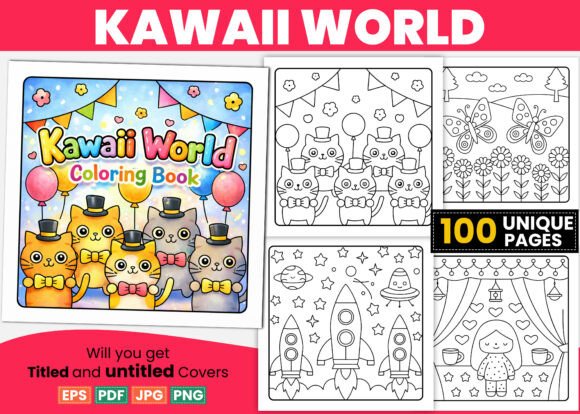
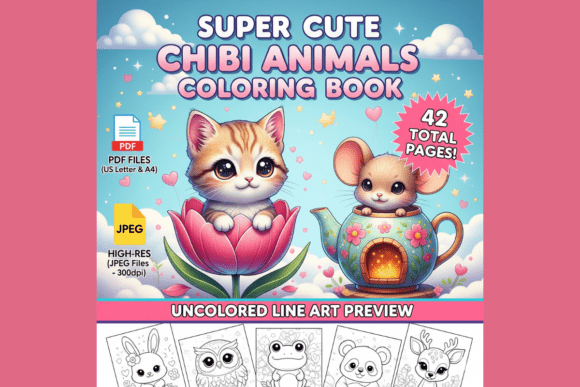
The Super Cute Chibi Animals Coloring Book is more than just a collection of outlines; it is a cohesive design system rooted in the "kawaii" aesthetic. Visually, the artwork is defined by its exaggerated proportions—large heads, small bodies, and oversized, expressive eyes. This specific style, known as "chibi," is engineered to trigger a nurturing response, making it universally appealing across age groups. For a creative professional, understanding the mechanics of this style is key to utilizing the asset effectively.
The illustrations rely on thick, clean lines and simplified forms. Unlike intricate adult coloring books that can induce visual fatigue, these pages prioritize clarity and accessibility. The line weight is consistent and bold, ensuring that the illustrations remain legible whether they are printed at full size on an A4 sheet or scaled down for a sticker set. The "personality" of the artwork is undeniably cheerful, soft, and whimsical. It avoids sharp angles or aggressive geometry, favoring curves and rounded shapes that contribute to a sense of safety and warmth. This visual softness makes the Super Cute Chibi Animals Coloring Book an excellent resource for projects targeting younger demographics or audiences seeking comfort and nostalgia.
Strategic Applications for Creators and Marketers
As a versatile set of design assets, these illustrations extend far beyond simple leisure activities. For designers and entrepreneurs, the utility lies in the file formats provided: high-resolution JPEGs and print-ready PDFs. This flexibility allows for seamless integration into various workflows.
In brand identity and packaging design, these chibi animals can serve as mascots or decorative elements that soften a brand's image. A pet shop, a children’s clothing line, or a stationery brand could utilize specific characters to create a consistent visual language. Because the style is distinct, it aids in brand recognition; a customer can identify the "chibi" aesthetic immediately, associating it with the brand's playful values.
For digital content creators and social media graphics, the individual image files are particularly valuable. They can be used as Instagram stickers, printable rewards for online communities, or engaging visuals for blog headers. Teachers and educators can leverage these files for "no-prep" classroom materials, turning them into flashcards or reward charts. The commercial potential is significant, provided the licensing terms are respected. The images function similarly to a premium font or a high-quality script font: they are foundational elements that elevate the professionalism of a final product, whether it is a digital download or a physical print.
Technical Considerations and Workflow Integration
When integrating the Super Cute Chibi Animals Coloring Book into a professional workflow, technical evaluation is essential. Just as one would test a serif font or sans serif font for readability in editorial design, these illustrations must be tested for scalability. Because they are rasterized JPEGs (at 300dpi), they are excellent for print but require careful handling if you intend to resize them drastically for large-format printing, such as posters. However, for standard uses like web design assets, logo design elements (adapted), or standard print media, the resolution is more than sufficient.
A practical recommendation is to treat these illustrations as you would a handwritten font or display font—they are accent pieces. In layout terms, they provide visual rest and emotional warmth. If you are building a landing page, placing a chibi animal next to a call-to-action can reduce user anxiety and increase engagement. In packaging design, pairing the bold outlines with a clean modern typography style creates a balanced hierarchy, ensuring that the text remains legible while the imagery captures attention.
Practical Guidance for Project Fit
Determining if this asset fits your project requires an evaluation of your target audience's expectations. If your project requires a gritty, realistic, or corporate-serious tone, a chibi aesthetic will create a dissonance in visual hierarchy. However, for projects involving education, entertainment, wellness, or family-oriented services, the fit is natural.
When using these assets, consider the following practical steps:
- Evaluate Context: Use the animals to break up dense blocks of text in editorial design. They act as visual anchors that guide the reader's eye.
- Color Psychology: Since these are coloring pages, the "white space" is intentional. If you are using the pre-colored or line-art versions in marketing, consider the color palette carefully. Soft pastels will reinforce the "cute" factor, while bold primaries will make the graphics pop on screen.
- Mixing Assets: Treat the illustrations like a creative font. They pair well with rounded sans-serif typefaces that mimic the curvature of the chibi characters. Avoid pairing them with overly aggressive or decorative display fonts that might compete for attention.
Ultimately, the Super Cute Chibi Animals Coloring Book