Vintage Tiny Blue Toile De Jouy Pattern: A Designer's Guide
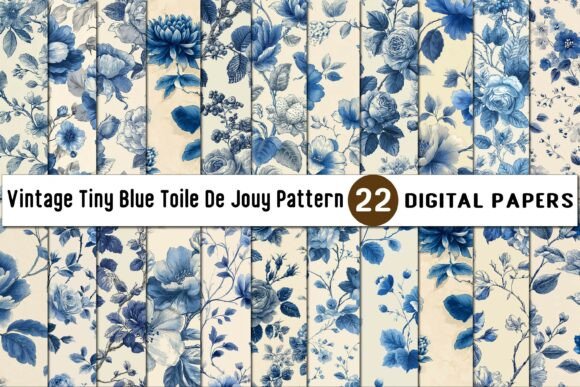
There's a certain timelessness to the Vintage Tiny Blue Toile De Jouy Pattern that transcends fleeting design trends. This isn't just a collection of digital papers; it's a curated set of design assets built around one of history's most recognizable motifs. The toile de jouy pattern, originating in 18th-century France, is characterized by its intricate, single-color scenes—often pastoral, allegorical, or floral—printed on a white or off-white background. The "tiny" descriptor here is key. It points to a delicate, detailed scale, where the individual figures and scenes are small, creating a rich, textured tapestry from a distance rather than a bold, singular statement. The blue colorway grounds it in a classic, versatile palette that evokes everything from fine china to vintage denim.
The Core of the Pattern: More Than Just a Pretty Print
Understanding the visual personality of this pattern is the first step in using it effectively. The Vintage Tiny Blue Toile De Jouy Pattern carries a distinct aesthetic: it's elegant, historical, and meticulously detailed. It whispers of heritage, craftsmanship, and a certain refined charm. This isn't a modern, minimalist background; it's a pattern with a story. Its strength lies in its ability to add layers of sophistication and visual interest without overwhelming a design when used thoughtfully. The tiny scale makes it exceptionally versatile—it can function almost as a texture up close while reading as a cohesive pattern from afar.
This personality directly influences its best applications. Consider the brand identity for a boutique hotel, a high-end tea brand, or a stationery company specializing in formal invitations. The pattern instantly communicates quality, tradition, and attention to detail. In editorial design, it can serve as a stunning chapter opener or a sidebar background in a magazine focused on history, lifestyle, or classic fashion. For packaging design, imagine it on a soap wrapper, a candle label, or a gift box—it elevates the product's perceived value immediately.
Strategic Applications: Where This Pattern Shines
The included file set—22 high-resolution JPGs at 300 DPI in RGB—provides a practical toolkit. Here’s how to leverage it across different projects:
- Digital & Web Design: Use a subtle, light version as a website background for a boutique e-commerce site. It adds depth without compromising text readability. For social media graphics, it creates a perfect backdrop for quote cards, product announcements, or sale promotions, especially for brands in the lifestyle, home décor, or artisanal food spaces.
- Print & Physical Media: This is where the pattern truly excels. Its high resolution ensures crisp printing for business cards, letterheads, and brochures. For greeting cards and invitations, it sets a tone of elegance perfect for weddings, anniversaries, or formal events. In packaging, it can be used as a full wrap or as an accent panel on a box.
- Creative & Personal Projects: The applications are vast. It's ideal for scrapbooking backgrounds, adding a vintage flair to digital memory books. Crafters can use it for decoupage, custom journal covers, or party decorations. The consistent pattern across 22 variations allows for cohesive project sets, like matching invitations, menus, and place cards for an event.
Pairing and Practical Considerations
Using a strong pattern like this requires a thoughtful approach to font pairing and layout. The goal is balance. Because the pattern is detailed, pairing it with clean, simple typography is crucial. A modern, geometric sans-serif font for body text creates a beautiful contrast against the vintage pattern, keeping the design fresh and readable. For headlines, a classic serif font or even a refined script font can complement the pattern's elegance, but avoid overly ornate or handwritten fonts that might clash with the pattern's own intricacy.
Always consider the scale of your final output. On a small business card, the "tiny" pattern will read as a beautiful, complex texture. On a large poster, the individual scenes may become more apparent, which could be a desirable feature or a distraction, depending on your intent. Test prints are non-negotiable for physical projects. The RGB color mode is standard for digital screens, but if you're sending files to a professional printer, you may need to convert to CMYK—a simple step, but one to remember for color accuracy.
Finally, think about licensing. The description doesn't specify, but for any commercial use—like selling products featuring the pattern or using it in client work—it's essential to verify the usage rights. Assuming it's offered as a commercial font and design asset, you have tremendous freedom to build brands, products, and marketing materials that stand out with a touch of historical sophistication. The Vintage Tiny Blue Toile De Jouy Pattern is more than a background; it's a strategic design tool that, when used with intention, can profoundly shape the perception and professionalism of your work.