Dazzling Depth: Unlocking the Potential of Holographic Glitter Texture
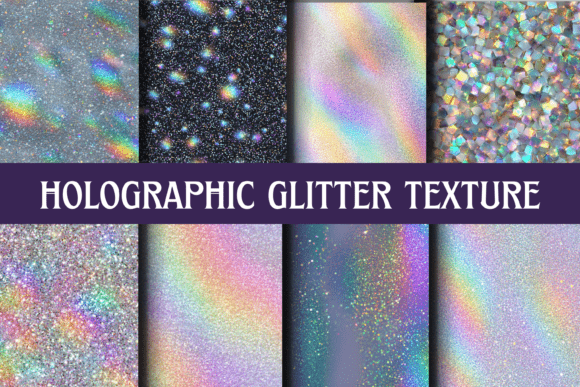
There is a specific kind of visual magnetism that occurs when light hits a holographic surface. It is that prismatic, shifting spectrum of color that feels futuristic yet undeniably tactile. In the realm of digital design, capturing that authentic "pop" is notoriously difficult. Many resources fall flat, looking more like a bad filter than a genuine material. However, a high-quality Holographic Glitter Texture collection changes the game entirely. It is not just about adding noise to a layer; it is about introducing depth, light refraction, and a premium feel to your work instantly.
The Anatomy of a Premium Digital Paper
When evaluating design assets, specifications matter more than marketing hype. A truly useful resource needs to function under pressure, whether that pressure comes from a high-resolution print job or a complex digital composition. This particular collection of Holographic Glitter Texture Digital Paper is built on a foundation of professional standards that make it versatile for both hobbyists and commercial designers.
The included specifications are designed to eliminate the guesswork and technical headaches often associated with texturing:
- High-Resolution Dimensions: At 12" x 12" (3600 x 3600 pixels), these files are square, which is the industry standard for scrapbooking and digital paper packs. This size provides enough canvas to crop into various aspect ratios without losing detail.
- Print-Ready Quality: The 300 DPI resolution is non-negotiable for physical products. Whether you are creating wedding invitations, business cards, or product packaging, this density ensures the ink hits the paper crisply, avoiding the pixelation that plagues lower-quality web graphics.
- Substantial File Weight: You will notice file sizes ranging from 8–18 MB. In the world of digital assets, "heavier" often means "better." This indicates a lack of aggressive compression, preserving the subtle gradients and sharp edges of the glitter particles.
- Color and Opacity: The files feature vibrant, iridescent, and shimmering color palettes on opaque (non-transparent) backgrounds. This opacity is crucial because it allows the texture to act as a standalone background without needing to layer it over a base color.
Practical Applications: Where Texture Meets Strategy
A texture is a tool, and like any tool, it has specific jobs where it excels. The Holographic Glitter Texture is not merely for "girly" or "crafty" projects; it is a powerful element for modern branding and editorial design when used with intent.
Scrapbooking and Junk Journaling
For the paper crafter, these textures offer a consistent "base" that is often hard to find in physical paper stores. In digital scrapbooking, they provide a shimmering backdrop for photos without overwhelming the subject. In junk journaling, they serve as vibrant pockets or page dividers that catch the eye.
Brand Identity and Logo Design
Entrepreneurs in the beauty, fashion, or entertainment industries can leverage these textures to build a brand identity that screams "premium." Imagine a business card for a makeup artist where the logo utilizes a clipped Holographic Glitter Texture. It communicates luxury and creativity immediately. However, the key here is restraint. Using this texture in logo design works best for iconography or monograms rather than the main wordmark, ensuring the brand name remains legible.
Packaging and Product Design
If you are selling physical goods, packaging design is your silent salesperson. Using a holographic element on a box flap, a sticker seal, or a thank-you card insert elevates the unboxing experience. It suggests that the product inside is just as polished as the exterior.
Digital Marketing and Social Media
On platforms like Instagram or TikTok, stopping the scroll is the primary goal. A subtle background of Holographic Glitter Texture behind a bold sans-serif quote or a sale announcement can increase engagement. It adds a dynamic quality to static social media graphics, making the post look more like a visual asset than an advertisement.
Design Principles: Balancing Sparkle with Readability
The biggest risk with using a creative font or a busy texture is sacrificing clarity for style. As a designer or content creator, your job is to manage the visual hierarchy so the message is received before the aesthetic is admired.
Typography Pairing Strategies
Because the Holographic Glitter Texture is visually complex, it demands a typographic partner that is clean and grounded. This is where font pairing becomes critical.
- With Serif Fonts: A classic, high-contrast serif font (like a Didot or Bodoni) over a holographic background creates a "fashion editorial" look. The sharpness of the serifs contrasts beautifully with the soft shimmer of the glitter.
- With Sans Serif Fonts: For a more modern, tech-forward, or minimalist vibe, pair the texture with a geometric sans serif font. The clean lines of the typeface will pop against the chaotic sparkle, maintaining high readability.
- Avoiding Script Fonts: Generally, it is wise to avoid using script fonts or handwritten fonts directly on top of a full-bleed glitter background. The loops and thin strokes of these typefaces often get lost in the noise of the texture, causing eye strain.
Techniques for Visual Hierarchy
If you must use the texture extensively, consider these modern typography techniques:
- The Knockout Method: Place your text on a solid shape (like a white box or a dark banner) that sits on top of the glitter background. This ensures 100% readability while keeping the sparkle visible in the margins.
- Texture Clipping: Use the glitter texture as a fill for your text. This works best for large, bold headlines or display fonts. It creates a "glass" effect where the letters themselves are holographic.
- Opacity Adjustment: Lower the opacity of the texture layer to 20-30% to create a subtle, watercolor-like sheen. This allows you to use it behind body text without interfering with legibility.
Evaluating Fit and Licensing
Before integrating any asset into your workflow, a professional assessment is required. First, consider the commercial font and asset licensing. If you are creating products for sale—such as print-on-demand mugs, t-shirts, or planners—you must ensure the digital paper pack includes a commercial license that covers the end product's distribution.
Second, test the asset across different mediums. A texture that looks great on a monitor might look muddy on matte paper. Because this pack comes in JPG format, it is universally compatible with software like Adobe Photoshop, Illustrator, Canva, Procreate, and Affinity Designer. You can easily drop it into your project, resize it, and apply blending modes (like Overlay or Soft Light) to see how it interacts with your specific color palette.
Ultimately, a Holographic Glitter Texture is more than just a shiny background; it is a mood setter. It brings energy, modernity, and a tactile quality to the digital world. By using high-resolution assets and pairing them with strong typographic choices, you can elevate your projects from standard to spectacular, ensuring your designs not only catch the light but also hold the viewer's attention.