Back to School Meet Your Teacher: Building Classroom Bonds
The first week of school is a unique blend of excitement and anxiety. For educators and creative professionals alike, the goal is to transform that nervous energy into a welcoming atmosphere. While we often focus on curriculum and logistics, the human element is what truly sets the tone. This is where the "Back to School Meet Your Teacher" concept shines, moving beyond a simple introduction to become a cornerstone of community building. It's not just a worksheet; it's a strategic tool for connection, designed with the same intentionality as a brand identity kit.
More Than Paper: The Design of Connection
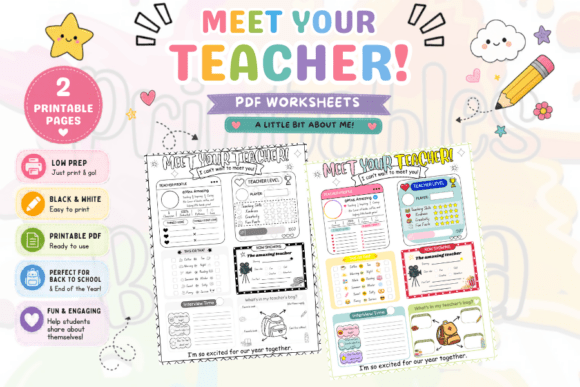
At its core, a well-designed "Meet Your Teacher" activity is a piece of editorial design for the classroom. It uses visual hierarchy and engaging layout to guide students through a discovery process. The typical worksheet pages are crafted to be student-friendly, balancing playful creative prompts with clear information. Think of it as a mini brand identity document for the teacher, presenting their personality through curated sections on favorites, fun facts, and classroom expectations.
The appeal lies in its dual nature. For students, it's an interactive icebreaker that feels like a game, not an assignment. For the teacher, it's a low prep, ready to print resource that immediately fosters a positive environment. The inclusion of both color and black & white versions is a practical nod to different classroom needs, from vibrant bulletin board displays to more economical printing. This thoughtful design makes the first days of school more organized and visually cohesive.
Strategic Applications for Educators and Creatives
The true power of this resource is its versatility. For elementary teachers, it's a perfect fit for morning work or centers, allowing students to engage meaningfully while the teacher handles morning routines. It seamlessly integrates into classroom community activities and ESL learner support, providing a structured yet fun way to practice language and social skills. Homeschool parents can use it to establish a welcoming ritual, setting a collaborative tone for the year.
Beyond the traditional classroom, consider its value for small business owners and creators. A Meet Your Teacher framework can be adapted for client onboarding, team introductions, or workshop welcomes. The principles are the same: use engaging, interactive prompts to build rapport. A graphic designer might use a similar layout to introduce their process to a new client, while a coach could create a "Meet Your Guide" handout. The printable PDF format (US Letter size) ensures it's accessible and easy to distribute, whether digitally or physically.
Choosing and Implementing Your Resource
When evaluating a "Back to School Meet Your Teacher" kit, look for quality in its design components. A strong set will include thoughtful interview prompts and favorites sections that go beyond the basics. The visual style should be appealing but not distracting, using a clean typeface and balanced white space to ensure readability for young students. Check that the classroom-themed activities align with your pedagogical goals—do they encourage sharing, or are they merely decorative?
Implementation is where strategy meets execution. Don't just hand out the sheets. Frame the activity: "We're going to learn some fun facts about each other to start our year together." Consider pairing it with a font pairing lesson for older students, discussing how the display font on the header feels different from the sans serif font body text. Use the completed worksheets to create a dynamic "All About Us" bulletin board, turning individual profiles into a collective brand identity for your class community. This transforms a simple back-to-school activity into a lasting reference point for building positive classroom relationships.
Ultimately, a resource like this is a design asset. Its value isn't just in the ink on the page, but in the student engagement and classroom connection it cultivates. By treating these printable activities with the same care you would a logo design or packaging design project, you invest in the most important element of any learning environment: the sense of belonging. It makes the transition back to school less about procedures and more about people, setting a foundation for a successful and connected year ahead.